

Exploring the impact of cultural beliefs on gambling behaviors across the world
The Influence of Culture on Gambling Norms
Cultural beliefs play a critical role in shaping the gambling norms within different societies. In many cultures, gambling is viewed as a taboo, associated with negative moral implications, while in others, it is celebrated as a form of entertainment and social interaction. For example, countries in Southeast Asia often have deeply rooted cultural traditions that embrace games of chance, which can include activities from Жетон казино as part of celebrations and festivals. This dichotomy results in diverse attitudes towards gambling, influencing legal regulations and social acceptance.

In Western cultures, gambling is often integrated into popular entertainment, with casinos and sports betting being widely accepted pastimes. This acceptance stems from a historical context where gambling has been associated with prosperity and fortune. In contrast, cultures that emphasize communal values may regard gambling as detrimental, as it can disrupt social harmony and lead to individualism. The perception of gambling as either beneficial or harmful varies significantly across regions, influencing how individuals engage with these activities.
This cultural dichotomy impacts not just individual attitudes but also the collective behavior of societies regarding gambling. In countries where gambling is socially acceptable, you may find an increase in participation rates, with various age groups partaking in such activities. In places where cultural beliefs stigmatize gambling, people may engage in it discreetly, leading to underground gambling networks. The interplay of culture and gambling behavior reveals the complexities surrounding this global phenomenon, highlighting the need for a nuanced understanding of each region’s values and beliefs.
Cultural Attitudes Towards Risk and Chance
The relationship between cultural beliefs and attitudes towards risk and chance is pivotal in understanding gambling behaviors. Different cultures approach uncertainty and risk-taking through various lenses, influencing how individuals perceive gambling. For example, cultures that emphasize risk-taking may encourage participation in gambling activities as a form of testing luck and fortune. In contrast, cultures that prioritize caution and risk aversion often discourage such behaviors, viewing them as reckless or irresponsible.
This cultural mindset can be observed in various gambling settings around the world. In Las Vegas, where risk-taking is glamorized, the culture around gambling thrives, attracting millions of tourists annually. On the other hand, in countries like Japan, where a more conservative approach to finance prevails, gambling is heavily regulated, and participation is limited. This divergence illustrates how societal values shape not only individual decisions but also the overall gambling landscape.
Moreover, these cultural attitudes towards risk can manifest in varying types of gambling activities. In some cultures, traditional games that involve skill and strategy are favored, whereas others may lean towards chance-based games. Understanding these dynamics allows for better insights into why certain gambling formats flourish in specific regions while others do not. The examination of cultural beliefs surrounding risk illuminates the broader implications for gambling behaviors globally.
Socioeconomic status plays a pivotal role in gambling behaviors, intertwined with cultural beliefs. Individuals from lower socioeconomic backgrounds may view gambling as a potential escape from financial struggles, often leading to a higher propensity for risk-taking behaviors. Conversely, those in higher income brackets might engage in gambling more for leisure and socializing, reflecting different motivations aligned with their cultural contexts and economic realities.
This connection between socioeconomic factors and gambling can be seen in various countries. For instance, in the United States, studies have shown that lower-income individuals are more likely to spend a higher percentage of their income on lottery tickets and gambling. This tendency is often rooted in the belief that gambling can provide a quick solution to financial issues. On the flip side, in wealthier societies, gambling can be viewed as a recreational activity, reinforcing the idea that cultural context significantly impacts how socioeconomic status influences gambling habits.
Furthermore, public policy can also be shaped by these socioeconomic dynamics. In regions where poverty is prevalent, governments may capitalize on gambling as a means of revenue generation, often resulting in a proliferation of gambling establishments. This creates a cycle where gambling becomes increasingly ingrained in the culture, perpetuating a complex relationship between economic conditions and gambling behaviors. Understanding these interactions provides a deeper insight into the socio-cultural landscape surrounding gambling.
Gambling Regulations and Cultural Context
The legal framework surrounding gambling is often reflective of cultural beliefs and societal norms. In many countries, gambling regulations are designed to align with the prevailing moral and ethical viewpoints of the society. For example, in predominantly Islamic nations, strict laws against gambling are in place, grounded in religious beliefs that prohibit such activities. This regulatory approach often results in limited access to gambling venues and activities.
Conversely, in regions with a more liberal cultural outlook, such as Europe and North America, gambling regulations may be less stringent, allowing for a thriving gambling industry. These jurisdictions often focus on consumer protection and responsible gambling measures rather than outright prohibition. The differences in regulatory approaches illustrate how cultural context shapes not only the legality of gambling but also the public’s perception and participation in these activities.
Moreover, these regulations can affect how gambling is integrated into everyday life. In countries with permissive gambling laws, you may find various forms of gambling, including online platforms and physical casinos, becoming part of the mainstream entertainment landscape. In contrast, restrictive regulations can lead to underground gambling operations, potentially compromising player safety and fairness. This interplay between culture, law, and gambling behavior underscores the importance of considering the cultural context in shaping effective gambling policies.
Online Gambling and Cultural Adaptation
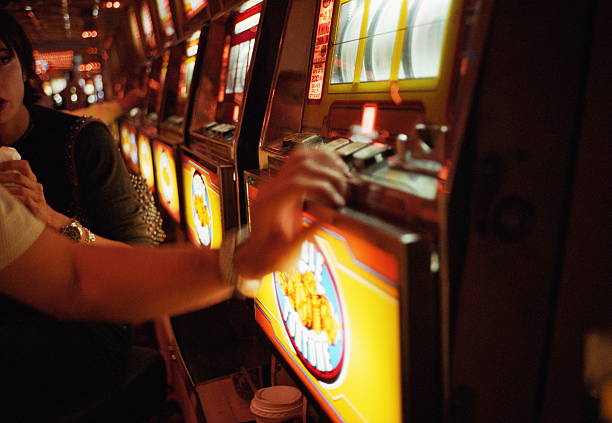
As technology evolves, online gambling has emerged as a significant player in the global gambling landscape, adapting to various cultural contexts. Different regions have developed unique online gambling platforms that reflect local cultural beliefs and practices. For example, in some cultures, live dealer games that replicate the traditional casino experience are particularly popular, catering to a preference for social interaction in gambling.
The rise of online gambling also presents both opportunities and challenges related to cultural beliefs. While it allows for greater accessibility, particularly in regions where physical gambling venues are limited, it can also lead to issues of addiction and social isolation. Cultural beliefs surrounding gambling play a critical role in how these challenges are addressed, with some societies prioritizing harm reduction strategies and others focusing more on punitive measures.
Furthermore, platforms like JetTon Games exemplify how online gambling can cater to diverse cultural needs by offering a wide range of games and features. These platforms often provide localized options, such as language preferences and culturally relevant themes, ensuring that users feel a sense of connection to the games. As online gambling continues to grow, understanding these cultural adaptations will be vital in ensuring a safe and engaging gambling experience for players around the world.
“`
