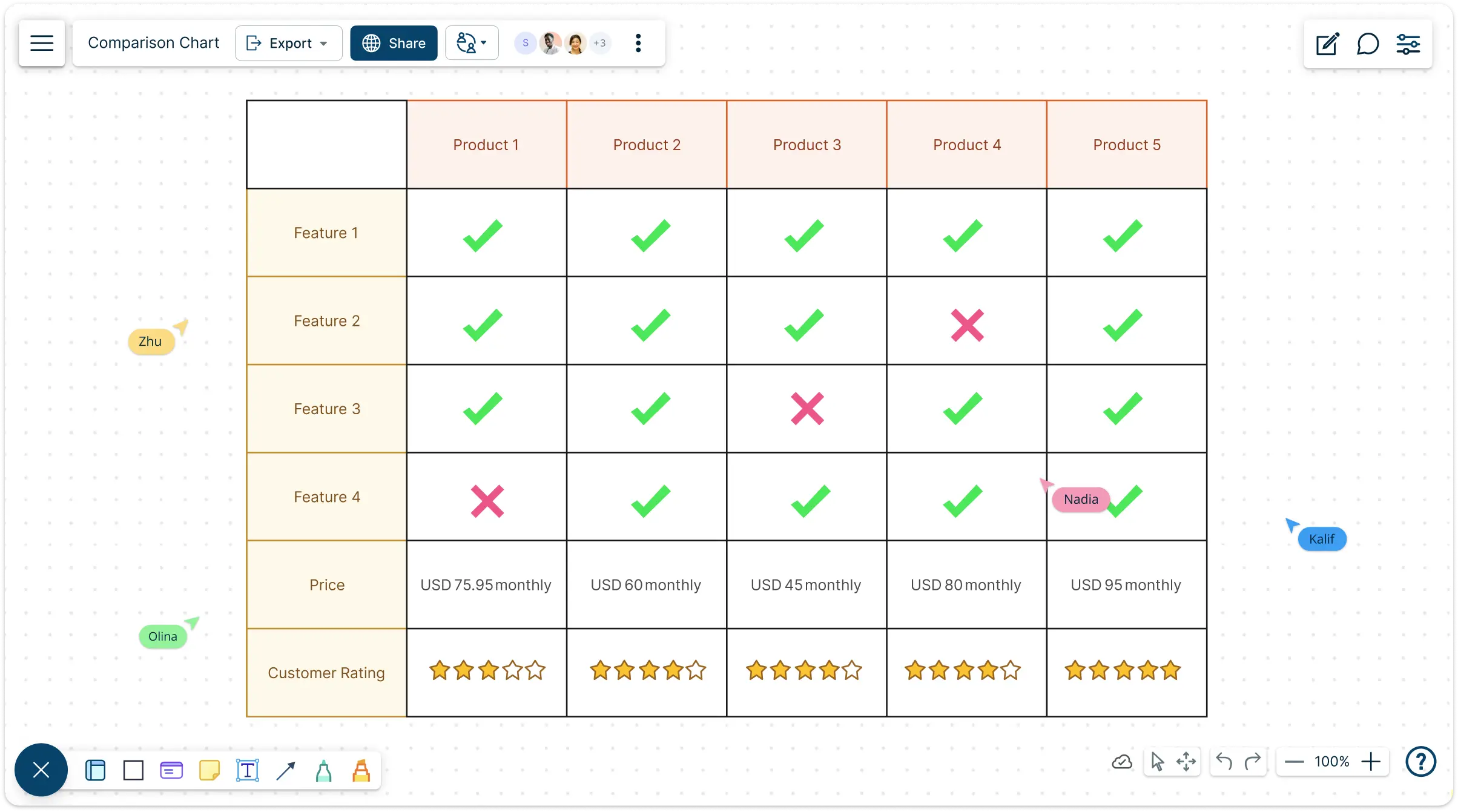
In today’s fast-paced world, the ability to conduct effective comparative analysis is crucial for informed decision-making. Whether in business, academia, or everyday life, the skill of this comparison can significantly influence outcomes. This article delves into the significance of comparative analysis, different techniques to employ, and the various benefits it brings to different sectors.
Understanding Comparative Analysis
Comparative analysis is a method used to evaluate two or more entities by examining their similarities and differences. This technique applies to various contexts, including competitive analysis in business, literature comparisons in academia, and more. At its core, it is about understanding how different subjects relate to each other and what insights can be gained from that relationship.
Significance of Comparative Analysis
In the realm of decision-making, comparative analysis serves several key purposes:
- Enhanced Understanding: By comparing different subjects, one can gain a deep understanding of their unique characteristics, strengths, and weaknesses.
- Informed Decision-Making: Decision-makers are better equipped to choose the best course of action when they understand the pros and cons of each option.
- Identification of Trends: Comparative analysis can reveal trends and patterns that may not be apparent when examining a single subject in isolation.
Techniques for Effective Comparative Analysis
While the application of comparative analysis can vary widely depending on the field, several core techniques can enhance its effectiveness:
1. Criteria-Based Comparison
Establishing clear and specific criteria for comparison is essential. This allows for a structured evaluation that focuses on relevant factors. For instance, when comparing products, one might consider price, quality, features, and user reviews.
2. SWOT Analysis
SWOT (Strengths, Weaknesses, Opportunities, Threats) analysis is a popular technique for performing comparative analysis in a business context. By evaluating these four aspects for each subject, individuals can gain a nuanced understanding of competitive advantages and disadvantages.
3. Benchmarking
Benchmarking involves comparing a company’s performance metrics to industry bests or best practices from other companies. It helps identify gaps in performance and areas for improvement.
4. Quantitative Analysis
When applicable, leveraging quantitative data can provide a more objective foundation for comparison. This could involve statistical analysis, performance metrics, and numerical data to substantiate findings.
5. Qualitative Analysis
In addition to quantitative techniques, qualitative analysis often enriches comparative studies. This could involve case studies, interviews, or literature reviews to contextualize the data and draw out deeper insights.
Real-World Applications of Comparative Analysis
Comparative analysis is widely applicable across various fields, including:
Business
Businesses frequently employ comparative analysis to assess their market position relative to competitors. This is essential in strategic planning, marketing, and product development.
Education
In academia, students and researchers utilize comparative analysis to evaluate theories, texts, and data sets. This method is fundamental in writing dissertations and conducting literature reviews.
Healthcare
In the healthcare sector, comparative analysis can be employed to evaluate treatment options and patient outcomes. By comparing different therapies, healthcare providers can optimize care strategies.
Policy Making
Policy analysts often use comparative analysis to evaluate the effectiveness of different policies or programs across regions or countries, influencing future policy decisions.
Benefits of Comparative Analysis
The benefits of engaging in comparative analysis are manifold, including:
- Improved Problem-Solving: By examining different solutions, one is often able to find innovative approaches to challenges.
- Strategic Planning: Organizations that systematically compare their operations with competitors are generally better at strategic planning.
- Enriched Learning: Comparative studies in education foster critical thinking and analytical skills.
Challenges in Comparative Analysis
Despite its many advantages, comparative analysis comes with challenges:
- Data Availability: Reliable and comparable data can sometimes be challenging to obtain, leading to skewed results.
- Subjectivity: Personal biases might influence the comparison, especially in qualitative assessments.
- Complexity: Some subjects may have inherent complexities that make straightforward comparisons difficult.
Conclusion
Comparative analysis is a powerful tool that can drive informed decision-making across various fields. By understanding its significance, employing effective techniques, and recognizing its benefits and challenges, individuals and organizations can enhance their operational effectiveness and strategic planning. As the world continues to evolve, mastering the art of comparative analysis will remain a crucial competency for success.